Choosing solar is not only about putting panels on the roof. A complete setup includes the panels, inverter, mounting equipment, monitoring tools, and sometimes battery storage. At Solar Prime Energy, we help homeowners understand how these parts work together so they can make a more informed choice when comparing solar PV systems for homes UK.
What Is a Solar PV System?
A solar photovoltaic system converts daylight into electricity for the home. The panels generate direct current, while the inverter converts it into alternating current for household appliances.
A typical system includes solar panels, an inverter, roof mounting equipment, generation monitoring, and optional battery storage. The quality of the full setup matters more than any single component. That is why solar PV systems for homes in the UK should be assessed as complete energy solutions rather than panel-only purchases.
Check Whether the Property Is Suitable
Before comparing products, the first step is to assess the home. Roof direction, pitch, available space, and shading all affect performance.
South-, east-, and west-facing roofs can all work well, depending on shading and layout.
A professional solar consultation in the UK should review these details alongside household electricity use. This helps avoid a system that is too large, too small, or poorly suited to the property.
Choose the Right System Size
A larger system is not automatically better. The right size depends on roof space, annual electricity demand, and when the household uses the most power.
Homes with higher daytime usage may use more solar electricity directly. Other households may want a system that supports future battery storage or electric vehicle charging.
Good residential solar installers should explain why a particular system size has been recommended. The proposal should be based on realistic usage and generation estimates, not simply the maximum number of panels that fit.
Compare Equipment and Warranties
Homeowners should compare more than panel efficiency. The inverter, mounting system, warranties, and expected long-term performance all influence value.
Useful questions include:
- Which panels and inverter are included?
- How long are the warranties?
- Is system monitoring provided?
- Can battery storage be added later?
- What support is available after installation?
Experienced solar PV installers in the UK should answer these clearly and explain how the components work together.
Understand the Installation Process
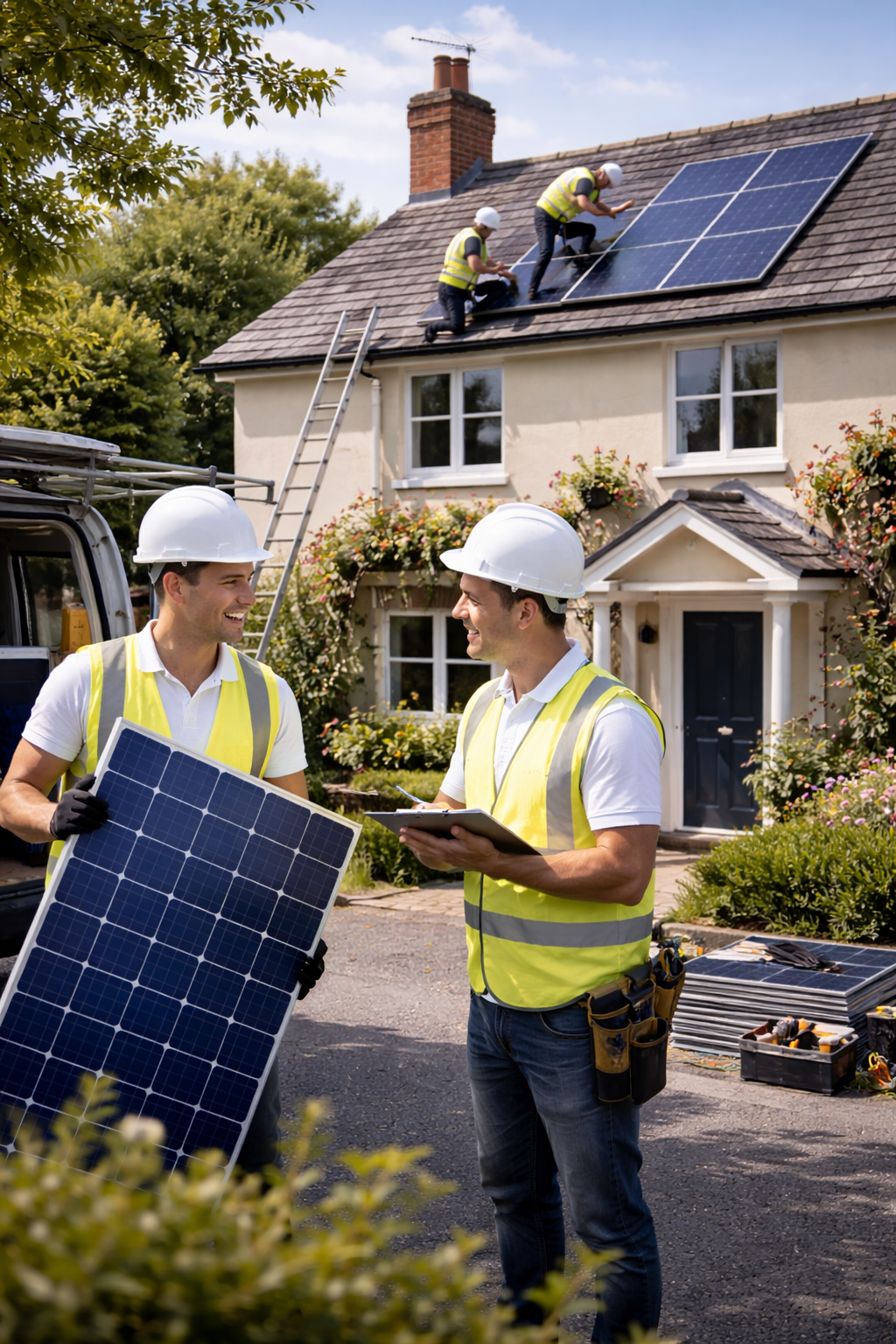
A clear solar panel installation guide should cover the journey from survey to handover. The process usually includes a property assessment, system design, quotation, compliance checks, installation, testing, and certification.
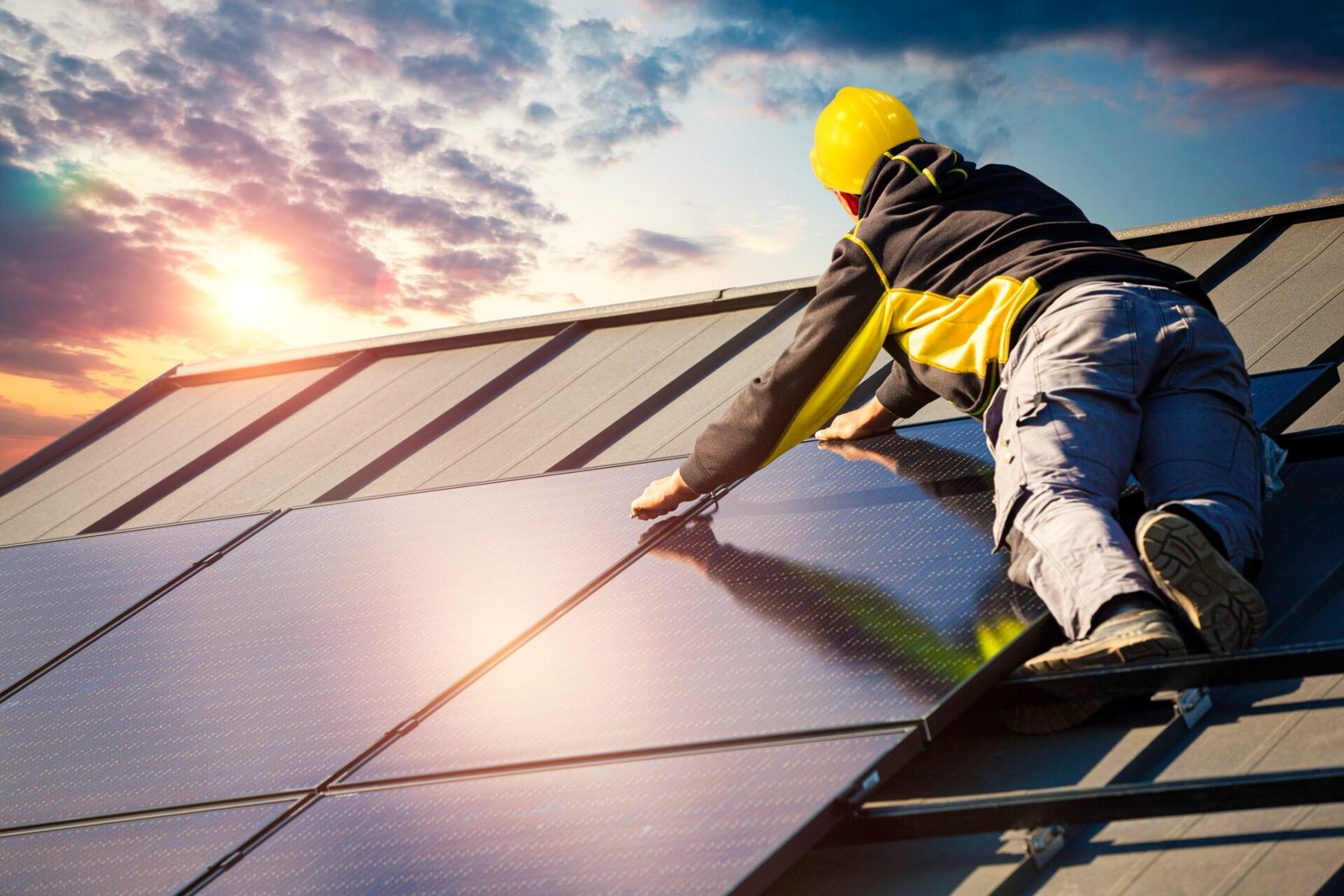
During installation, the team fits the mounting rails and panels, installs the inverter, completes the electrical connection, and tests the system. Homeowners should also receive guidance on monitoring performance and using the system effectively.
Decide Whether Battery Storage Is Needed
Battery storage is not essential for every home, but it can store unused daytime electricity for later use.
It may suit households with higher evening demand or those wanting to reduce reliance on grid electricity. However, it should be sized carefully, as an oversized battery may not offer good value.
This decision should form part of the initial solar consultation in the UK, rather than being treated as an automatic extra.
Choose the Installer Carefully
Installer quality can affect performance as much as the equipment. Reliable solar PV installers in the UK should provide a clear design, transparent quotation, realistic expectations, and suitable aftercare.
At Solar Prime Energy, we take a tailored approach because every home has different conditions and energy needs. Homeowners should understand what they are buying, why it has been recommended, and how it is expected to perform.
Choosing solar PV systems for homes in the UK becomes easier when the decision is broken into clear stages. Start with property suitability, then compare system size, equipment, warranties, battery options, and installer quality.
The best system is not always the largest or cheapest. It is the one designed properly for the home and supported by clear advice.
Considering solar for your home? Contact Solar Prime Energy for a tailored consultation and a no-obligation quote based on your property and energy needs.